
© Bruce Allen
This is a re-post from 2018 that I still like.
 Four decades of marriage allows the two of you time to weave, with your kids and God’s grace, a family tartan of beliefs, values, standards and stories that will become part of their DNA and which they will, in turn, pass down to their kids.
It allows your relationship the opportunity to bloom, to struggle, and to emerge from struggle tempered, capable of withstanding decades of whatever the world throws at you. [It is during the almost-inevitable struggle stage, as kids arrive, that most marriages fail. To weather those storms requires commitment, which is bolstered by the fact that things tend to get easier as the children age and you can threaten to put them in iPad timeout.]
It allows you time to observe how your spouse likes things, things ranging from morning coffee to after-work drinks on the deck of a summer evening. Unless you’re a fool, you’ll do those things that way; it requires no extra effort.
It allows time to develop a sort of rhythm with your kids as they progress through school, a set of after-school routines that becomes standard and requires little discussion or negotiation. It allows them time to realize that the quality of their lives improves the closer they adhere to those routines. Studying, practice (sports and/or music), dinner together, free time, reading, prayer before bed, the whole deal. After a while they like it that way. Mostly.
It allows a steel bond to form between husband and wife that can withstand serious illness and show no signs of stress. Though the spouses themselves may experience stress, the relationship can shrug it off.
It allows time to influence the lives of grandchildren, should one be so blessed, and the luxury of having them around until bedtime, when it’s time to go bye-bye. Time to do grandparent things–coloring Easter eggs, decorating Christmas cookies, reading, playing on the floor. Getting one’s hair done by a four-year old.
It allows spouses to grow into an attitude where he or she is willing to give 60% in order to get 40% back. No 50/50 division of labor, no counting tasks, no keeping score. In a 50/50 relationship each spouse feels put out, as if he or she is doing more to support the family. In a 60/40 relationship each spouse expects to do more, and so it isn’t any big deal.
It allows time for traditions to evolve and get handed down. Our kids approach things like birthdays and holidays in the same basic way today they experienced them as kids. There are numerous variations of family or regional origin, all of which are good, all of which are variations on a theme.
 It allows one time to, if necessary, drag one’s spouse to God. For which the spouse will ultimately be grateful.
It allows time for love to form in such a way that spouses learn to accept one another as imperfect people doing their best. To ascribe good intentions. To respect boundaries. To be happy to say, “You do you.”
Finally, it allows time for both of you to recognize and affirm that you spoke your wedding vows sincerely, believing every word at the time, and that you can gladly continue living them decades later. That you couldn’t imagine having lived without one another. That you did a fine job selecting a spouse.
These idyllic observations generally describe, somehow, our own family circumstances. Many people have far more complicated situations; I get that. People can only control things under their control. We have been greatly blessed. Beyond that, it’s important to keep praying and pray hard.

 of something suitable for this site now that my regular second job is on hiatus, leaving some time to work on marriage issues.
  Which, in my opinion, would be a mistake. The first two items on the list deserve their place of prominence not just because they apply to young brides and grooms, but moreover because they enable couples to navigate the waters from “newlywed” to “golden anniversary.” Being fun, or funny, is one of the failsafe techniques for keeping relationships blooming. I like to think that my wife of 40 years has laugh lines around her eyes partially due to me; lacking any number of social graces, I’ve always tried to at least keep her smiling, if not laughing out loud.
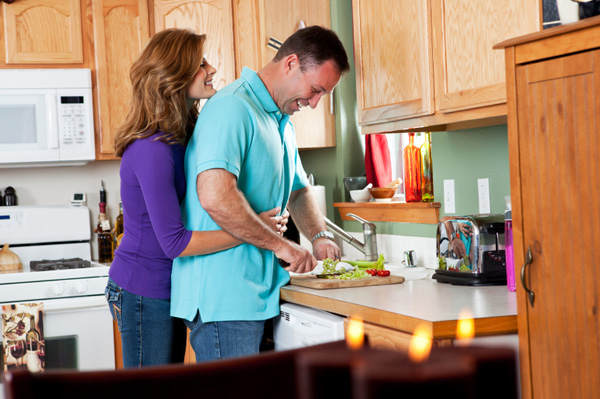
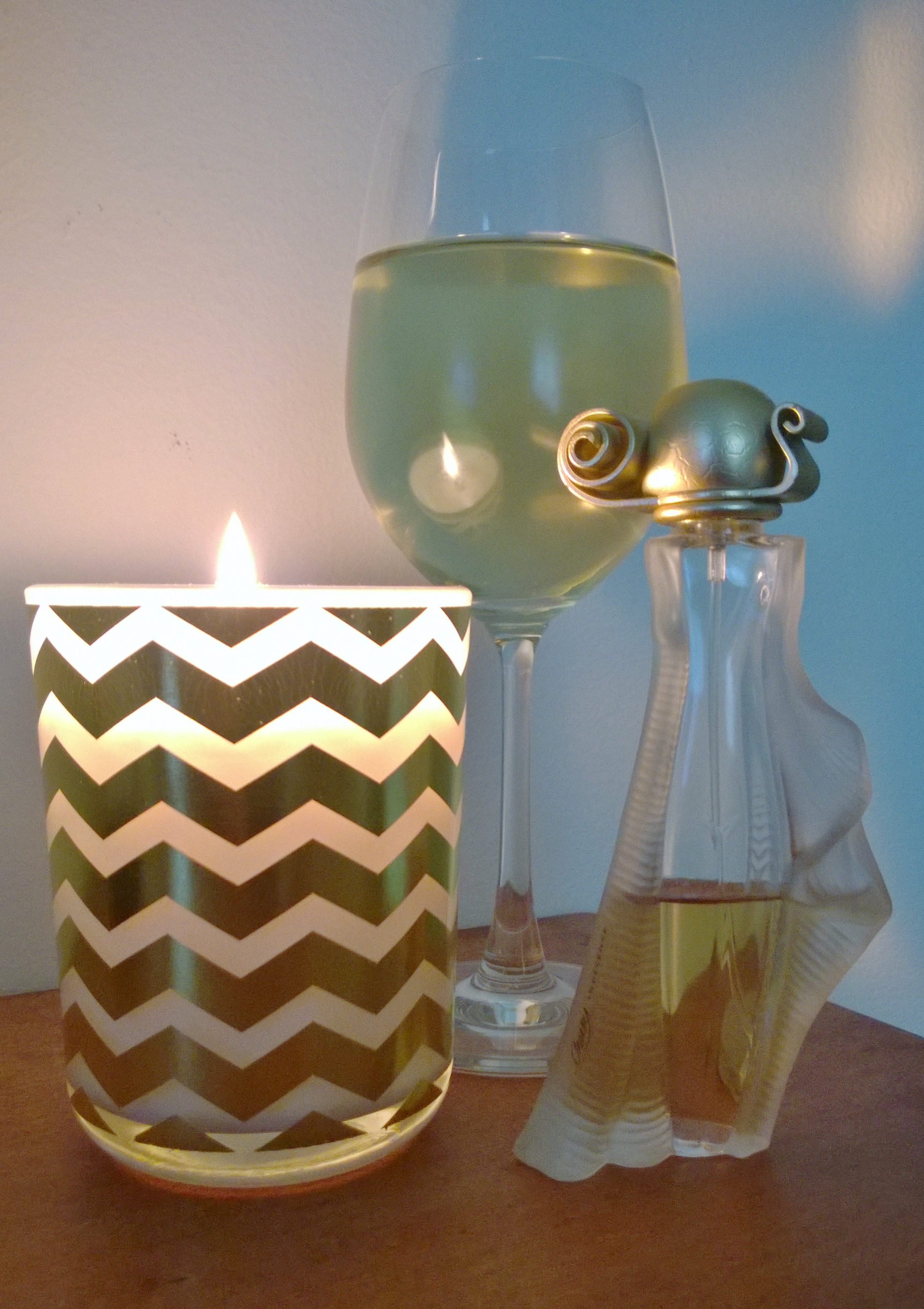
 As we age, our sexual abilities, wants and desires change. However, these changes do nothing to our ability to be interesting, perhaps playful, to show interest, to initiate intimacy, to be clean, shaved and fresh, to put clean sheets on the bed, light a few candles, put on some music, etc. Sexual encounters, once a couple is empty nesters, are fairly simple to arrange, but sometimes difficult to execute in the conventional way, or ways. With young kids in the house, it takes real commitment to intimacy to find time—or even a place—to enjoy each other’s presence. There’s some frustration built into each scenario—having the ability and not the time, or having the time with diminished skills—but it remains important to keep fun and physical intimacy in your relationship, else couples risk ending up living together as brother and sister, polite and considerate with nothing resembling passion ar mutual engagement. This is NOT how to keep a marriage strong and healthy.
 As we have remarked often in this space, couples have a much better chance to make it to their golden anniversary—roughly 2-3% of married couples accomplish this—if they are friends as well as lovers. Friends don’t cash in their relationship because of a fight or disagreement. Friends tend to usually fight fairly with their friends; spouses perhaps not so much. John Gottman, in his book we have virtually worn the cover off of in this blog,






 Love's Sacred Embrace