
Posted by Christine Burrows 1/9/2013
 My kids’ 10th grade economics teacher, Bonnie Kelley, taught that economics isn’t about money. Rather, it’s about choices.
She was referring to setting priorities based upon a person’s, or a business’, or a government’s earnings, and making spending choices that reflect those priorities. Based on the premise that you can’t have it all, economics is about picking between those things or opportunities you CAN have. Or, as academics say, the artful allocation of scarce resources.
This task of prioritizing how to earn and allocate income is a daunting task for large entities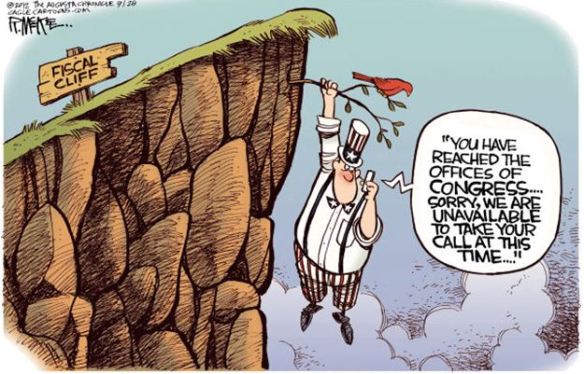 – witness the Federal Government. It’s daunting for individuals – witness our college daughter during her first semester in college. So, why should it to be any less difficult for two adults in a marriage?
When we were first married, Peter owned a car and a house and had almost finished paying off his student loans. I had a small student loan and no other debt. We both had full-time jobs in our fields. We were flush. It feels like we’ve never had as much money as we had back then.
So, what did we do? Buy a bigger house! Between the time we qualified for the house on our combined income and moved into it, we took some major hits – Peter took a 20% pay cut, and I quit my teaching job and didn’t find another real position for another year. Suddenly, we were in our big new house, living on about 50% of what we had qualified on.
Macaroni and cheese and Gin Rummy were staples for our Friday nights. They were good times… not really. It was downright tough. But in retrospect, it was an important time in our marriage. We had to figure out our priorities: making the mortgage payment, maintaining cars, meeting basic physical needs were the basics. The extras, like going out? Decorating the home? Saving for a rainy day? These required choices, and took some serious conversations. At times, I thought a new pair of shoes was the best use of our money. (Or, maybe, I just wanted some new shoes, and, like a child, was unwilling to accept the pain of not getting what I wanted!)
Basic application: If we are not rich, and most folks aren’t, we must accept that there will be things we just can’t have!
Higher level application: If a married couple accepts that they can’t have it all, they agree to share in both the pleasures and the disappointments that come from not being able to have everything they want. Even steven.
Herein lies the key to the economics of marriage – you just can’t have it all (or at least most of us can’t). So, when you’re trimming back from ALL, what gets trimmed? Doing the trimming together is tough, but ultimately more genuine when you reach those decisions together, if not completely. Learning how to defer gratification in your youth will shower rewards upon you later in your lives. 
This is hard stuff – no getting around it. But, isn’t it the right thing? As compared to, say, running up a bunch of credit cards and crying when the mail comes each day? When making sacrifices together, they are a little easier. Reaching these agreements peacefully is an art form that develops over years.
Let me say this: I don’t really like macaroni and cheese. I laugh when I think about the rummy games from those early days in our marriage. But I can’t remember a single pair of shoes I bought back then.



 Love's Sacred Embrace